In today’s fast-paced world, stress and anxiety have become common problems affecting millions of people globally. Many factors can cause stress and anxiety, including work pressure, financial difficulties, family problems, and health issues. While there are various ways to manage stress and anxiety, yoga is one of the most effective techniques. In this article,
Romik Yeghnazary will explore the benefits of yoga in coping with stress and anxiety and how to incorporate it into your daily routine.
Understanding Stress and Anxiety
Before delving into how yoga can help with stress and anxiety, let’s first understand what stress and anxiety are. Stress is the body’s response to challenging or demanding situations, while anxiety is a feeling of worry, fear, or unease about something uncertain. Both stress and anxiety can negatively impact our physical and mental health if not managed appropriately.
The Science Behind Yoga and Stress Reduction
Yoga is an ancient practice originating from India that combines physical postures, breathing exercises, and meditation techniques. Practicing yoga has been shown to have numerous health benefits, including reducing stress and anxiety. Yoga helps calm the mind, reduce muscle tension, and lower blood pressure, all of which contribute to relieving stress and anxiety. According to Romik Yeghnazary, Studies have shown that regular yoga practice can even alter the expression of genes involved in stress and immune function.
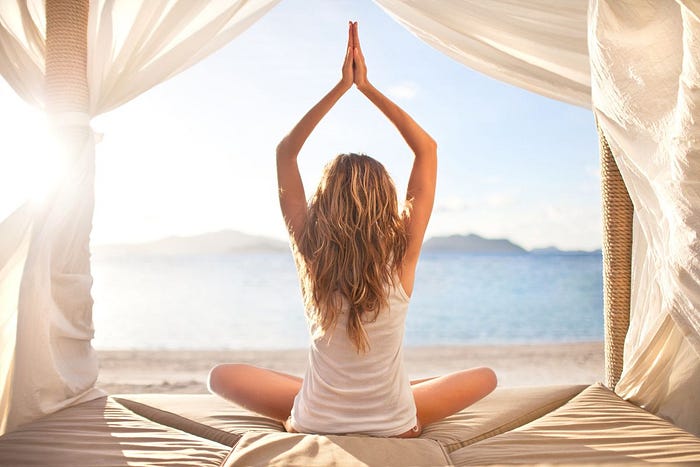
How Yoga Can Help You Cope with Stress and Anxiety
Yoga provides a holistic approach to managing stress and anxiety by promoting relaxation, mindfulness, and self-awareness. Here are some ways yoga can help you cope with stress and anxiety:
1. Promotes Relaxation
Yoga promotes relaxation by focusing on the breath and incorporating gentle movements that release tension in the body. This, in turn, calms the mind and reduces feelings of stress and anxiety.
2. Increases Mindfulness
Mindfulness is the practice of being present and fully engaged in the current moment. Yoga helps increase mindfulness by incorporating breathing techniques and postures that require concentration and focus.
3. Boosts Self-awareness
Self-awareness is the ability to recognize and understand one’s thoughts, feelings, and behaviors. Practicing yoga promotes self-awareness by encouraging individuals to pay attention to their body and mind’s sensations and reactions.
4. Enhances Physical Health
Yoga is a low-impact exercise that improves physical health by increasing flexibility, strength, and balance. Physical activity, in turn, has been shown to reduce stress and anxiety.
How to Incorporate Yoga into Your Daily Routine
Incorporating yoga into your daily routine is easy and convenient. Here are some tips to get started:
1. Find a Class or Instructor
If you’re new to yoga, consider taking a class or hiring an instructor to guide you through the postures and breathing techniques.
2. Practice at Home
You can also practice yoga at home by following online videos or purchasing a DVD. Start with short sessions and gradually increase the duration as you become more comfortable.
3. Choose a Time and Place
Choose a time and place that works best for you. Early morning or before bedtime are ideal times to practice yoga as they can help you start or end your day on a positive note.
4. Start Small
Start with basic postures and breathing exercises and gradually add more complex poses and sequences as you become more comfortable.
Conclusion
Yoga is a proven technique to cope with stress and anxiety. By promoting relaxation, mindfulness, self-awareness, and physical health, yoga provides a holistic approach to managing stress and anxiety, says
Romik Yeghnazary. Whether you’re new to yoga or an experienced practitioner, incorporating yoga into your daily routine can help you lead a happier, healthier life.


Comments
Post a Comment